



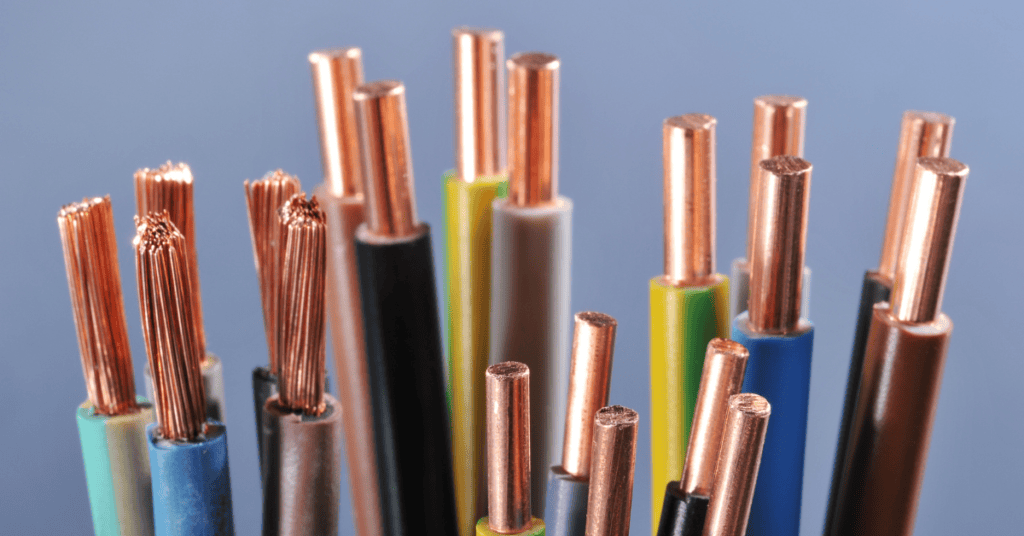
Start with the Project, Not Just the Cable Name
Choosing the right cable begins with understanding the project. A cable for a residential building may not be suitable for an industrial plant. A cable used indoors may not be suitable for underground installation. A cable used in a public or critical facility may require fire-safety properties that are not required in a simple protected route.
At Nigerchin, we supply cable and conductor products for several sectors, including energy, construction, industrial, oil and gas, agriculture, housing, transit/locomotive/railway, and airfield lighting. Because these sectors have different requirements, we encourage every customer to select cable based on the actual application and project specification.
Key Questions Before Choosing a Cable
Before requesting a quote or placing an order, it is important to define the cable requirement clearly. If you have an engineering specification, cable schedule, or bill of quantities, use it as the starting point. If you do not, consult a qualified professional or contact Nigerchin for guidance.
| Question | Why It Matters |
|---|---|
| What will the cable supply? | The electrical load affects cable size and conductor selection. |
| Where will it be installed? | Indoor, outdoor, underground, and industrial routes have different protection needs. |
| Is the cable exposed to mechanical damage? | Armoured cable may be required where impact, rodents, or excavation risk exists. |
| Is fire safety a major concern? | LSZH or mica-taped fire-resistant cable may be required in certain environments. |
| What voltage rating is required? | The cable rating must match the electrical system. |
| What standards or consultant specifications apply? | Compliance supports safety, inspection, and project acceptance. |
| How much cable is required? | Length affects price, logistics, and availability. |
Cable Selection for Construction Projects
Construction projects may require different cable types at different stages of the work. Building wiring, temporary supply, permanent power distribution, outdoor routes, underground supply, and equipment connections may all have different requirements. For this reason, contractors and procurement teams should work from approved drawings and cable schedules.
Where cable routes are protected and the specification permits, non-armoured cables may be appropriate. Where cables are routed underground, outdoors, through exposed service areas, or in locations where mechanical damage is possible, armoured cable may be required. Our PVC and XLPE armoured cable options are designed to provide power transmission with additional protection from moisture, mechanical damage, external impact, rodents, and harsh conditions.
Cable Selection for Housing and Estate Projects
Housing projects require dependable cable products because residents rely on the electrical system every day. Correct cable sizing, authentic supply, and proper installation are essential. Buyers should avoid choosing cable only by price or informal market recommendation. Instead, cable should be selected based on load requirements, building design, standards, and professional electrical advice.
For estate projects, it is also important to plan quantities properly. A complete cable schedule helps reduce shortages, inconsistent purchases, and delays during installation.
Cable Selection for Energy Projects
Energy-sector projects require a strong focus on reliability and standards. Cable failure in a power distribution environment can lead to downtime, equipment damage, and safety risks. Our products are manufactured with reference to British Standards, IEC specifications, and Nigerian Industrial Standards, supporting customers who require standards-led cable procurement.
When choosing cable for energy applications, confirm the conductor material, cable size, number of cores, voltage rating, route length, installation method, and environmental exposure. Outdoor and underground routes may require armouring, while critical areas may require additional fire-safety considerations.
Cable Selection for Oil and Gas Projects
Oil and gas projects often involve demanding environments where durability and specification accuracy are essential. Nigerchin has supplied major oil and gas projects, including Ogbotobo Flowstation Power System Revamp, Odidi CPF/Flowstation Revamp, and Exxon Mobil QIT Eket. These types of projects require careful attention to cable type, installation environment, safety requirements, and project standards.
For oil and gas applications, customers should not rely on generic cable descriptions. The correct cable should be selected from the engineering specification, environmental conditions, and operational requirements. Armoured, XLPE, LSZH, or mica-taped cable options may be relevant depending on the installation.
Cable Selection for Industrial Facilities
Industrial facilities often include heavy equipment, motors, pumps, control systems, production lines, and distribution boards. Cable routes may be exposed to vibration, moisture, machinery, heat, movement, and mechanical impact. In these environments, correct cable selection supports operational continuity and reduces the risk of faults.
Our XLPE insulated armoured cable options may be considered where strong electrical performance and mechanical protection are required. Where the facility has enclosed or safety-critical areas, LSZH or fire-resistant cable constructions may also be considered based on project requirements.
Cable Selection for Agriculture and Outdoor Installations
Agricultural projects may include irrigation systems, pump stations, processing facilities, storage areas, and outdoor power distribution. Cables in these environments may be exposed to moisture, soil, rodents, equipment movement, and weather. Outdoor and underground cable routes should be assessed carefully so that the selected cable has the required protection.
Armoured cable is often considered where the cable may face mechanical risk or direct-burial conditions. However, the final selection should follow professional design and applicable standards.
Cable Selection for Transit, Railway and Airfield Lighting
Transit, railway, and airfield lighting projects are infrastructure applications where reliability and safety are important. These projects may involve long cable routes, outdoor exposure, public safety requirements, and specialist equipment. Cable selection should be based on approved engineering specifications and standards.
In public, enclosed, or critical infrastructure environments, fire-safety requirements may also influence the cable choice. LSZH or mica-taped cable constructions may be considered where low smoke, reduced corrosive gas emissions, or fire-resistant performance is required.
Sector-by-Sector Cable Selection Guide
| Sector | Main Concern | Cable Selection Focus |
|---|---|---|
| Construction | Multiple routes and changing project needs | Cable schedule, correct quantities, armouring where required. |
| Housing | Safe everyday use | Authentic cables, correct sizing, approved installation. |
| Energy | Reliability and continuity | Standards, voltage rating, conductor choice, route protection. |
| Oil and gas | Harsh operating conditions | Durability, armouring, specification accuracy, safety requirements. |
| Industrial | Equipment loads and mechanical risk | XLPE, armouring, correct sizing, control and power cable needs. |
| Agriculture | Moisture, rodents, outdoor exposure | Route protection, sheath suitability, armouring where needed. |
| Transit and railway | Public safety and continuity | Standards, LSZH where specified, mechanical protection. |
| Airfield lighting | Reliability and outdoor performance | Specialist project specification and durable cable selection. |
Frequently Asked Questions
| Question | Answer |
|---|---|
| What cable is best for construction projects? | The right cable depends on the approved specification, load, installation route, voltage rating, and environment. |
| When should I choose armoured cable? | Choose armoured cable where the cable needs additional protection from impact, rodents, excavation risk, outdoor exposure, or demanding environments. |
| Do all projects need LSZH cable? | No. LSZH cable is selected where the project requires low smoke and zero-halogen characteristics, often in enclosed, public, or critical environments. |
| Can Nigerchin help with product selection? | Yes. Share your project details, cable schedule, or specification with Nigerchin for guidance and a current quote. |
Conclusion
Every project has its own cable requirements. The best cable for a housing estate may not be the best cable for a factory, oil and gas facility, farm, railway route, or airfield lighting project. At Nigerchin, we help customers choose cable products based on project needs, standards, and installation conditions.
Planning a construction, energy, industrial, oil and gas, agricultural, railway, or airfield lighting project? Contact Nigerchin with your cable schedule or project details for guidance and a current quote.